


How To Reduce Downtime In Automotive Manufacturing
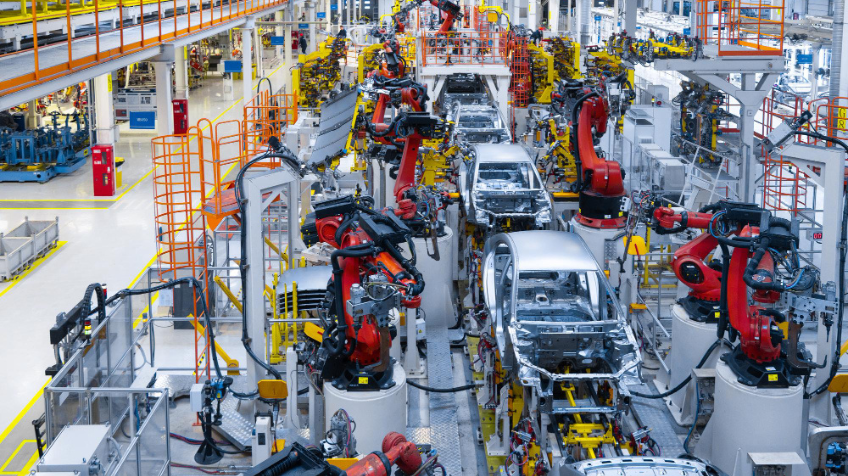
Downtime in automotive manufacturing is a problem. It does not just cause delays. It also affects how much work gets done, how much money is made, and how happy customers are.
When production stops, for a short time, it can cause expensive delays, missed delivery dates, and more stress on the production team.
As car factories get more complicated and people want cars, reducing downtime has become very important for manufacturers who want to stay ahead of the competition.
This guide looks at ways to reduce downtime, work efficiently, and keep production running smoothly.
It explores strategies to minimize downtime, improve efficiency, and maintain consistent production performance.
Understanding The Causes Of Downtime In Automotive Manufacturing
Before reducing downtime in automotive manufacturing, it is essential to understand its root causes. Here are some of them that you need to know about:
- Equipment Failure: When machines break down suddenly, it can really stop production.
- Human Error: If people use the tools don’t get proper training or miscommunicate it can mess up workflows.
- Maintenance Delays: When we wait for things to break before fixing them or planning ahead it can cause a lot of extra downtime.
- Supply Chain Disruptions: If we can’t get the parts or materials we need on time it can completely shut down production lines.
How To Reduce Downtime In Automotive Manufacturing?
Here are some of the best ways in which you will be able to effectively reduce downtime in automotive manufacturing:
Implement Predictive Maintenance: Moving Beyond Reactive Repairs
Predictive maintenance (PdM) is a proactive, data-driven technique that involves the continuous monitoring of equipment in real-time.
In that way, you will be able to easily predict failure in advance. Therefore, you will be able to carry out repair works only when strictly necessary.
Predictive maintenance uses data and monitoring tools to identify potential equipment issues before they lead to failure.
In the case of automobile production, the cost of downtime that has not been planned may get to the level of more than $22,000 per minute.
Therefore, this method is very important in the maintenance of fast-moving production lines and advanced robotics.
So, how is it beneficial for Automotive Manufacturing? Here’s how it makes things easier:
- Reduced unexpected breakdowns
- Improved equipment lifespan
- Lower maintenance costs
By addressing problems early, manufacturers can schedule repairs without disrupting production.
Invest In High-Quality Tools And Equipment
Some of the things that you can do are:
1. Consistency in Assembly
Using torque tools is very important because it ensures that the fasteners are put on correctly. This reduces the chance of mistakes. Having to do the work again.
2. Minimizing Errors
The new tools have a system that tells the person using them if they are doing it right. This helps the person get the result every time.
Partnering with companies like Crane Electronics is an idea. They can help with precise torque solutions. This makes the work more accurate. Reduces the time when machines are not working because of mistakes or having to do the work again. Crane Electronics can really help with this. Consistency in Assembly is very important. Using the right torque tools is a big part of it.
Improve Workforce Training
You need to build skilled and confident teams. Here’s how:
- Operator Training: Well-trained staff are less likely to make mistakes that lead to downtime.
- Continuous Learning: Regular training updates ensure employees stay familiar with new technologies and processes.
Also, you should encourage accountability. Clear roles and responsibilities help maintain smooth operations and reduce confusion on the production floor.
Optimize Production Processes To Streamline Workflows
Here’s what to do:
- Identify Bottlenecks: Analyzing production data can reveal inefficiencies that slow down operations.
- Standardize Procedures: Consistent processes reduce variability and improve overall efficiency.
Also, implement lean manufacturing principles. Lean strategies focus on eliminating waste, improving flow, and maximizing productivity.
Use Real-Time Monitoring Systems
You can do the following:
- Tracking Performance: Real-time monitoring systems provide insights into machine performance and production status.
- Quick Issue Resolution: Immediate alerts allow teams to respond to problems before they escalate.
- Data-Driven Decision Making: Access to accurate data enables better planning and continuous improvement.
Strengthen Preventive Maintenance Schedules
We need to check our equipment on a basis. This helps us find out if something is worn out before it breaks down completely.
If we plan when we do maintenance, we can make sure everything gets done without stopping our work.
We should always have the spare parts we need so we can fix things quickly and do not have to stop working for a long time.
Regular equipment checks and maintenance planning also work better when we have spare parts management in place for our equipment checks.
Foster A Culture Of Continuous Improvement
Here’s how:
Encouraging Innovation
- Employee Feedback: Frontline workers often have valuable insights into improving processes.
- Continuous Evaluation: Regularly reviewing performance metrics helps identify areas for improvement.
Adapting To Change
Staying flexible and open to new technologies ensures long-term efficiency.
Practical Example
The automotive assembly plant was having a lot of problems, with delays because the torque was not consistent.
So they started using tools to measure the torque and they also used a system to predict when things might go wrong.
After a month the plant did not have to redo as much work and the production line was working more often.
This shows that when you make changes you can get results that you can actually measure and that is what happened with the automotive assembly plant and their automotive assembly plant issues.
Frequently Asked Questions (FAQs):
Here are some of the questions that people often ask about reducing downtime in automotive manufacturing:
Equipment failure is a big one. Error and maintenance problems are also common.
It finds problems early. This way, repairs can be planned before machines break down.
They give results. They help avoid mistakes and reduce the need to redo work.
Employees who’re well-trained make fewer mistakes. This leads to operations.
Yes, even tiny improvements to processes can add up to less downtime, over time.
Conclusion
Reducing downtime in automotive manufacturing is really important. It needs a combination of things to work. You have to be proactive and use tools, and you have to have skilled teams.
If you put money into maintenance and make your training better and your processes more efficient, then you can make your work more efficient and keep producing things all the time.
In the manufacturing industry, which is very competitive, reducing downtime is not just about saving time.
Reducing downtime in manufacturing is about helping automotive manufacturing companies do well in the long term and be really good at what they do.


Must Read

Is Bankruptcy Right for You? Questions to Ask Before Filing in Georgia

How to Build a Modern Business Protection Strategy

Popular Street Bikes for Everyday Commuting

Head Of Growth Marketing Responsibilities: A Beginner’s Guide To The Role

How To Build A Growth Marketing Strategy That Actually Works
Most Popular

A Guide For Deductibles and Premiums in Accident Insurance
Financial Survival Tips for Entrepreneurs in Debt
Toronto Car Insurance vs. Other Cities: Why Are Rates So High?

The Future of MENA Businesses: Why You Need Both Management & Accounting Software




Leave A Reply