


Cost Per Link vs ROI: Understanding Guest Posting Economics
I still remember the knot in my stomach when I bought my first batch of links. I was sitting in my kitchen, staring at a PayPal invoice for $400.
As a beginner trying to grow my site, emblemwealth.com, that felt like an enormous gamble. I had read all the massive guides online that promised fast rankings if I just built a few high authority backlinks. So, I paid up.
Three months later? Nothing happened. My traffic didn’t budge. My bank account, however, definitely did.
That was my first real lesson in the messy world of SEO ROI. If you are trying to make money online through blogging or affiliate marketing, you will eventually face a big question: how much does link building cost, and is it actually worth it?
New bloggers often treat links like groceries. They think you just pay a flat fee, get the product, and watch your income grow.
But guest posting economics do not work that way. Let us break down the actual math, the platforms that hidden gems use to make money, and the dead-simple formulas you can use to see if your investments are actually paying off.
The True Cost Of A Link (And Where Newbies Get Scammed)
When you ask the internet, how much does link building cost, you will get a wildly frustrating answer: it depends.
Some freelance platforms promise a guest post price as low as $15. On the other end of the spectrum, premium boutique SEO agencies might charge you $600 for a single link.
Here is what a typical beginner’s journey looks like. You go onto a cheap freelancing site. You see someone offering a “high DA 50 guest post with permanent high authority backlinks” for twenty bucks. It sounds amazing. You buy it.
But behind the scenes, that seller is just placing your article on a “link farm.” This is a site designed solely to sell links. It has no real human traffic. Google knows this, and Google simply ignores it. You just threw away twenty dollars.
If you want to stay safe and actually build a business at emblemwealth.com, you need to understand the real market rates.
The Real Cost Breakdown
- Low-Tier ($20 – $75): Almost always spam. Link farms, public blog networks (PBNs), or hacked sites. Avoid these completely.
- Mid-Tier ($100 – $250): The sweet spot for beginners. These are real, mid-sized blogs run by real people. They have actual readers, clean designs, and moderate search traffic.
- High-Tier ($300 – $700+): Massive industry publications. These require serious pitch angles, custom research, and often professional writers.
So, how much does link building cost in reality? If you want real links that move the needle, expect to invest between $150 and $300 per placement, whether you pay a site owner directly or spend that money on tools and time to do the outreach yourself.
The Guest Posting ROI Formula For Beginners
You cannot measure the success of a link purely by how much you paid for it. A $500 link that brings you $5,000 in affiliate commissions is incredibly cheap. A $20 link that gets your site penalized by Google is catastrophically expensive.
To understand your SEO roi, you don’t need a degree in finance. You just need a few basic metrics. Let us look at a simple, real-world example.
Imagine you write an article about “The Best High-Yield Savings Accounts.” You buy two guest posts to push that page to page one of Google.
The Beginner Guest Posting ROI Formula

Let us put real numbers into this scenario:
- Your Investment: You buy two mid-tier guest posts. Your total guest post price is $400.
- The Result: The links push your page from position 12 to position 3 on Google. You start getting 1,000 new visitors every month.
- The Conversion: Out of those 1,000 visitors, 20 people click your affiliate links and sign up for a savings account. Each signup pays you a $30 commission.
- To find out how much money you make total before expenses, you multiply them together:
20 customers X $30 each = $600 total coming in every single month.
Now, let us calculate your first-month guest posting roi:
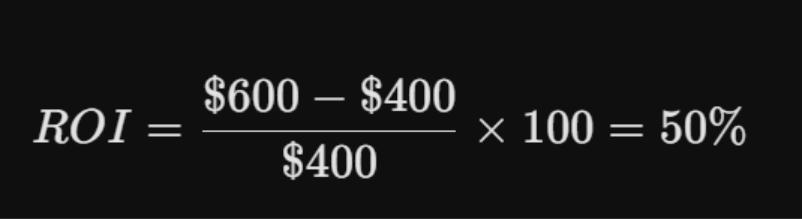
By month two, the links are already paid for. Every single dollar after that is pure profit. That is how you turn link building into a predictable wealth-generating machine.
How Money Is Actually Made: Popular VS. Underrated Platforms

To make this work, you need to know where to find these opportunities. Let us look at the practical mechanics of how people actually make money using both mainstream and hidden platforms.
1. The Popular Route: Broad Marketplaces (Fiverr, Upwork, Legiit)
- The Process: You log in, type “guest post,” and filter by your niche. You buy a gig, give them your URL, and they handle the writing and placement.
- The Trap: 90% of these listings are link farms. To make money here, you must ask the seller for the URL before you buy. Plug that URL into a free traffic checker. If the site’s traffic is tanking or looks like a jagged mountain range, run away.
- How to Profit: Look for sellers who offer “manual blogger outreach.” They aren’t selling slots on sites they own; they are charging you for their time to email real webmasters on your behalf.
2. The Underrated Route: Cold Email Outreach (Hunter.io + Lemlist)
- The Process: You don’t buy from a middleman. Instead, you find blogs in your niche that you genuinely respect. You use a tool like Hunter.io to find the owner’s email.
- Then, you send a short, friendly note offering a high-quality free article that solves a problem for their audience.
- Why It Wins: This is how you get the highest quality high authority backlinks. Because these site owners don’t openly advertise that they accept guest posts, their sites aren’t spammed to death. Google values these links immensely.
- The Cost: Your main expense here isn’t a direct fee; it is the cost of software and your time.
3. The Hidden Gem: Twitter/X and Niche Communities
- The Process: Search X for phrases like #guestpost, write for us, or bloggers wanted. Many independent site owners look for content partnerships directly on social media to bypass expensive agency fees.
- How to Profit: Build a relationship first. Reply to their tweets. Share their content. When you finally ask for a guest spot, they will usually say yes—and your entry cost will be close to zero.
Critical Mistakes That Cost Me Thousands (And Will Kill Your Site)
When I started out, I made almost every mistake in the book. If you want to keep your money safe, watch out for these three massive traps.
Trap 1: Anchor Text Stuffing
When you get a link, you choose the clickable text (the anchor text). Newbies think they should make the anchor text match their exact keyword every single time. For example, forcing the phrase “best cheap wealth advice” into every single guest post.
Google’s algorithms see right through this. It looks completely unnatural. In real life, people link to sites using brand names, the author’s name, or simple phrases like “click here” or “this article.”
Keep your anchor text diverse. Link to your brand name, emblemwealth.com, for at least 50% of your links.
Trap 2: Ignoring The Site’s Design And Relevance
I once bought a link from a site with decent metrics, but that looked like it was built in 1998. It had flashing banner ads everywhere and covered topics ranging from crypto to dog food to lawnmowers. It was a digital junkyard.
Google looks for contextual relevance. If your site is about wealth, getting a link from a gardening blog makes no sense. It signals to search engines that you are manipulating the system. Stick to your neighborhood.
Summary Action Plan For Beginners
If you are ready to start but feel overwhelmed by how much does link building cost, take a deep breath. You do not need a multi-thousand-dollar budget to get started. Here is your step-by-step roadmap:
- Audit your content first: Never build links to a bad page. Ensure your article is genuinely helpful, easy to read, and accurately answers the searcher’s question.
- Start small: Set aside a small budget, perhaps $200 or $300. Treat it as an experiment.
- Choose your path: Decide if you have more time or more money. If you have time, do cold email outreach. If you have money, hire a vetted, transparent manual outreach freelancer.
- Track the data: Use the simple ROI formula above. Track your positions weekly. Give it at least 60 days before you judge the results.
Link building isn’t magic, and it shouldn’t be a financial gamble. Treat it like the business investment it is, avoid the too-good-to-be-true cheap offers, and focus on building real connections with real sites.

Must Read

Is Bankruptcy Right for You? Questions to Ask Before Filing in Georgia

How to Build a Modern Business Protection Strategy

Popular Street Bikes for Everyday Commuting

Head Of Growth Marketing Responsibilities: A Beginner’s Guide To The Role

How To Build A Growth Marketing Strategy That Actually Works
Most Popular

A Guide For Deductibles and Premiums in Accident Insurance
Financial Survival Tips for Entrepreneurs in Debt
Toronto Car Insurance vs. Other Cities: Why Are Rates So High?

The Future of MENA Businesses: Why You Need Both Management & Accounting Software



Leave A Reply