


The Retail Store Lifecycle: Beyond The Blueprint
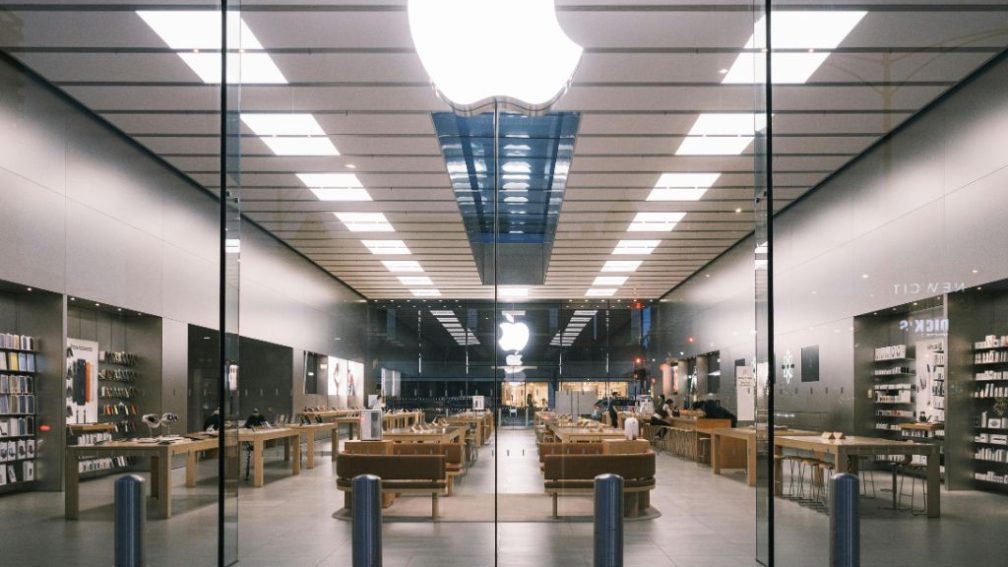
The journey of bringing a retail store to life is far more than a sequence of construction tasks.
Rather, it is a strategic process that connects vision with execution.
Then, it transforms physical spaces into brand experiences.
Therefore, it is only natural that you must approach the retail store planning process holistically.
Also, when you do this, the store lifecycle becomes not just about building stores.
Rather, it becomes all about building momentum for growth.
I am writing this blog for a deeper exploration of how the retail store lifecycle drives growth.
Additionally, I have referred to the full visual guide from retail store planning experts, Asset Strategies Group, as a core part of my research.
The Process Of Retail Store Planning Process Is All About Seeing The Big Picture
Retail environments succeed when every stage becomes relevant and treated with importance.
These stages include:
- Planning
- Design
- Build
- Management
These are all the functions as part of a larger ecosystem.
Too often, these steps are treated as isolated handoffs, which creates inefficiencies and missed opportunities.
In contrast, viewing the lifecycle as a continuum allows insight to flow freely across each phase.
The Role Of Data: Analysing The Consumer Behavior
Planning informed by data and consumer behavior provides clarity on where to invest and how to prioritize markets.
Design then becomes less about surface-level aesthetics and more about aligning physical space with customer expectations and brand strategy.
Building with this foundation ensures precision, efficiency, and readiness to scale.
Finally, managing stores with real-time insights closes the loop, providing feedback that informs the next round of planning and keeps the cycle in motion.
This integrated approach is not just operationally sound; it is transformative.
When done right, it reduces friction, eliminates duplication, and creates environments that feel seamless to customers and scalable for brands.
What Are The 7 Important Steps In Retail Store Planning Process?
If you own or work closely with retail businesses, then you must go through a strategic process.
Always keep in mind, especially if you are a beginner, that the correct strategy is always non-negotiable when you are looking to grow.
1. Efficient Resource Allocation
This one is very important, and also the first step towards success. Plan your retail operations carefully.
This helps you use your resources effectively, like:
- Staff
- Inventory
- Marketing Budgets
Additionally, you will have the right products in the right amounts at the right time.
In fact, a good plan also helps you adjust resources based on new trends and opportunities.
2. Improved Customer Experience
A strong retail plan lets you improve the shopping experience for your customers.
Then, you will properly understand their preferences. Additionally, you will be able to offer personalized deals.
Finally, you will be able to create a welcoming store layout.
I have been writing business blogs for so long, and the one asset I have found that retail businesses protect is happy customers.
This is because they are more likely to return. Also, they will spread the word and contribute to long-term profits.
3. Optimized Inventory Management
Manage your inventory well to ensure you have enough stock to meet demand without overspending on excess items.
Good inventory practices lower storage time, reduce the risk of outdated products, and improve cash flow.
4. Sales And Profit Maximization
A smart retail planning process helps you find peak sales times and adjust your strategies to increase revenue and profits.
By analyzing markets and past sales, you can identify when shoppers are most active.
5. Adaptation To Market Changes
In today’s fast-changing market, it’s important to keep an eye on new trends.
Additionally, you need to be very aware of all the changes in customer preferences.
What is the only way to do this? You need to properly analyze data.
Only then can the retail planners quickly notice shifts in buying behavior and market competition.
6. Cost Control
As a retail planner, you cannot help but look at past and market data. It lets retailers predict costs more accurately.
This helps find areas where you can save money without compromising quality.
In addition, you won’t need to give up on customer satisfaction. Therefore, this can improve profit margins.
7. Strategic Growth
With a good retail planning process, businesses can make smart choices about opening new locations.
Additionally, they will have better ideas to enter new markets.
This ensures growth efforts align with company goals.
Additionally, it also helps allocate resources wisely for marketing, staff training, and infrastructure investments to support growth.
Unlock The Transformation Through The Retail Store Planning Process
The most effective retail leaders today are not only delivering projects but also they are orchestrating experiences.
1. Take Down The Silos
By taking down silos, retailers unlock agility.
Additionally, they gain the ability to adapt quickly to market shifts.
Also, they can roll out new formats. Then, they will extend their brand into new channels without losing consistency.
At its best, the lifecycle model is less about ticking boxes.
Rather, it will be more about continuous transformation. So, it will always be moving from now to next.
2. View The Stores As Living Assets
What sets apart high-performing retailers is their willingness to see every store not as a finished product but as a living asset.
Therefore, each new build becomes a learning opportunity. Additionally, each managed location provides insights that sharpen future strategy.
Also, this creates a culture of evolution where stores are never static.
Rather, they evolve alongside customers and technology. Sometimes they evolve around the marketplace itself.
3. Create Carity And Alignment
For teams, this mindset creates alignment and clarity. For customers, it creates environments that feel:
- Intentional
- Relevant
- Engaging
And for the business, it ensures that investments in brick-and-mortar are not just expenses but accelerators of growth.
Final Verdict: Is The Retail Store Planning Process Working?
The retail store lifecycle is not a one-time project.
According to research by McKinsey, consumer preferences now change up to three times faster than they did ten years ago.
Therefore, we must look at it as a dynamic framework. After all, it thrives on integration.
Additionally, as I have mentioned throughout the article, you must not ignore the role of insight.
Finally, you must also put your imagination to work.
When retailers see it as a connected journey rather than fragmented steps, they move beyond building stores. They build lasting impact.
Read Also:


Must Read

Is Bankruptcy Right for You? Questions to Ask Before Filing in Georgia

How to Build a Modern Business Protection Strategy

Popular Street Bikes for Everyday Commuting

Head Of Growth Marketing Responsibilities: A Beginner’s Guide To The Role

How To Build A Growth Marketing Strategy That Actually Works
Most Popular

A Guide For Deductibles and Premiums in Accident Insurance
Financial Survival Tips for Entrepreneurs in Debt
Toronto Car Insurance vs. Other Cities: Why Are Rates So High?

The Future of MENA Businesses: Why You Need Both Management & Accounting Software


Leave A Reply