


Quality Control: The Quiet Driver of Manufacturing Revenue
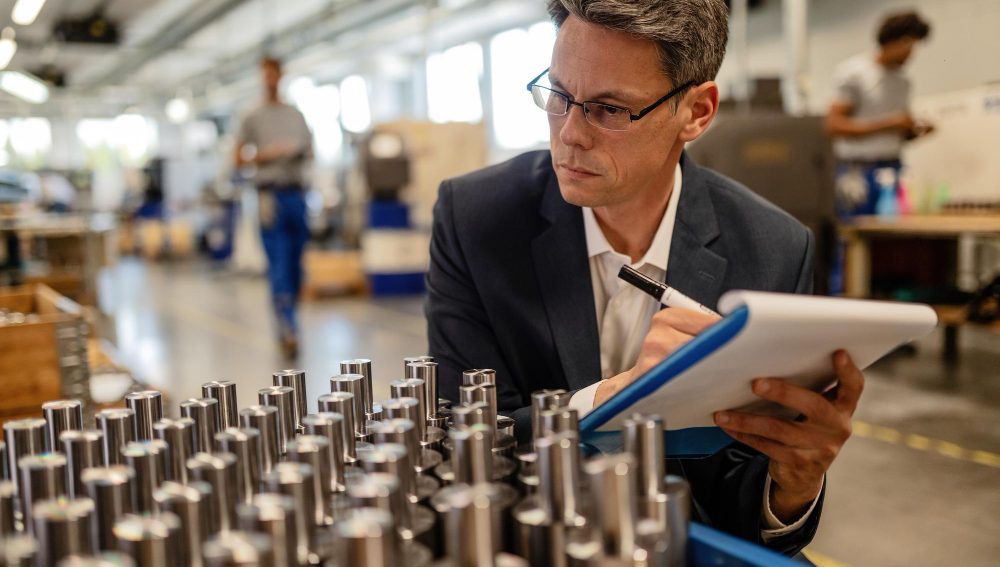
In many manufacturing organizations, quality control is viewed as an operational necessity rather than a strategic advantage. It lives on the production floor, focused on measurements, inspections, and compliance checklists. Yet its influence extends far beyond operations. Quality control directly shapes customer satisfaction, brand reputation, and ultimately, sales performance.
For manufacturers at any stage, from startups to established fabricators, understanding this connection is essential. Reliable products strengthen revenue streams. Defective ones weaken them.
Defining Quality Control With Precision
Quality control and quality assurance are related but distinct disciplines. Quality assurance focuses on building processes designed to reduce variation and prevent issues. Quality control centers on verifying that finished goods meet defined standards before shipment. Its purpose is clear: ensure that only compliant products reach customers.
Each inspection, test, and documented review serves this goal. When this responsibility is executed consistently, the business benefits become measurable. Products that meet expectations reinforce trust. Trust encourages repeat business and supports stronger sales conversations.
The Cost of Getting It Wrong
Defects create consequences that ripple through an organization. At a minimum, they generate returns, rework, and added administrative burden. These costs erode margins and strain customer relationships.
When problems are not caught before delivery, the impact can escalate. Products that fail in use may cause operational disruption, financial damage, or safety concerns. In severe cases, legal exposure and reputational harm can threaten a company’s standing in the market.
Quality as a Sales Multiplier
Strong quality control does more than prevent losses. It actively contributes to growth. Manufacturers known for consistency and reliability build credibility that attracts new customers and retains existing ones. High standards justify premium pricing and reduce friction in the sales cycle.
Rather than viewing quality control as a back-end safeguard, organizations should recognize it as a front-line growth driver. It protects revenue, strengthens competitive positioning, and enhances long-term sustainability.
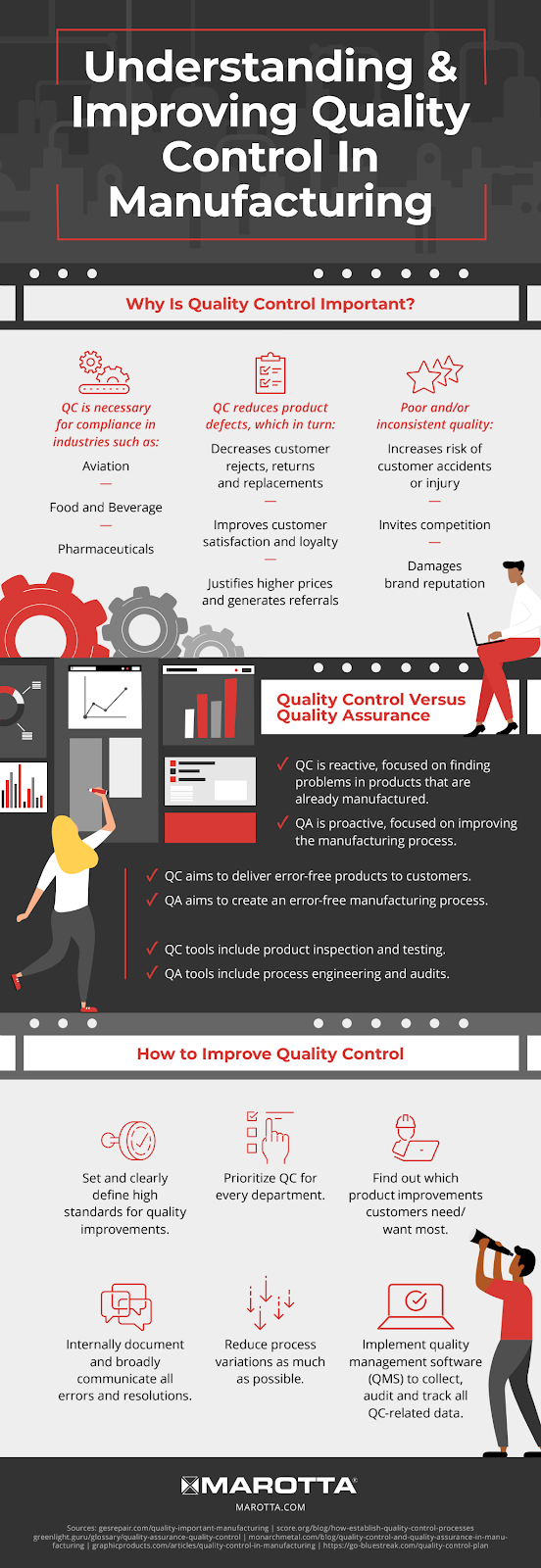
In manufacturing, quality is not separate from sales performance. It is one of its most dependable foundations.To learn more about quality control and how to improve it in your organization, please continue reading the graphic below from Marotta Controls, an AC DC power converter manufacturer.


Must Read

Is Bankruptcy Right for You? Questions to Ask Before Filing in Georgia

How to Build a Modern Business Protection Strategy

Popular Street Bikes for Everyday Commuting

Head Of Growth Marketing Responsibilities: A Beginner’s Guide To The Role

How To Build A Growth Marketing Strategy That Actually Works
Most Popular

A Guide For Deductibles and Premiums in Accident Insurance
Financial Survival Tips for Entrepreneurs in Debt
Toronto Car Insurance vs. Other Cities: Why Are Rates So High?

The Future of MENA Businesses: Why You Need Both Management & Accounting Software



Leave A Reply